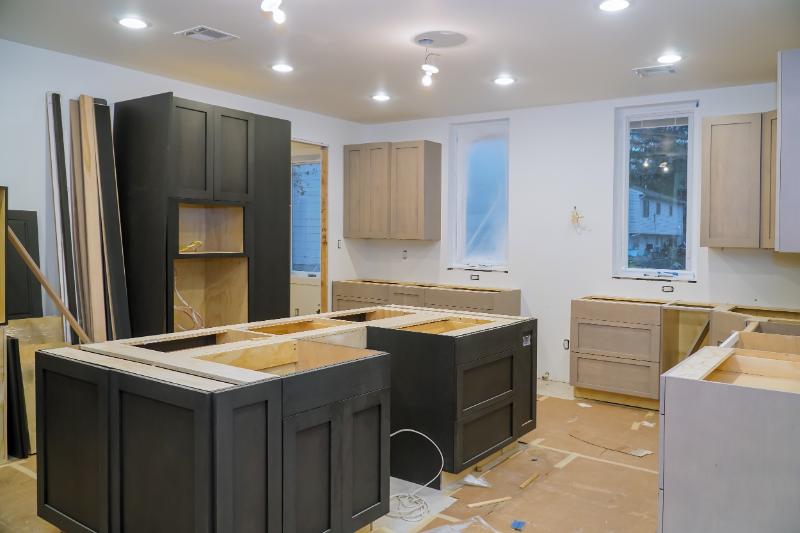
Many homeowners wait until something breaks before considering improvements. A leaking roof, damaged flooring, outdated plumbing, or worn-out cabinetry often becomes the trigger for renovation projects. However, proactive homeowners understand that investing in Oceanside home remodeling services before major problems develop can provide significant financial and lifestyle benefits.
Preventive renovations are not simply about aesthetics. They are strategic investments that help protect a property’s value while improving comfort, efficiency, and functionality.
Preventive Improvements Save Money Over Time
One of the greatest advantages of updating a home before issues arise is the potential to reduce future repair costs. Small concerns often become much larger and more expensive when ignored.
For example, aging plumbing systems can eventually lead to leaks and water damage. Outdated electrical systems may struggle to meet modern demands. Worn windows and doors can contribute to energy loss and increased utility bills.
Addressing these issues proactively often costs far less than repairing extensive damage after a failure occurs.
Avoiding Structural and Moisture-Related Damage
Water remains one of the most common causes of costly home repairs. Minor leaks, poor drainage, and inadequate ventilation can gradually lead to mold growth, wood rot, and structural deterioration.
Because moisture problems often develop slowly, homeowners may not notice them until substantial damage has occurred. Renovations that improve waterproofing, ventilation, and drainage can help protect the home’s structure and prevent future headaches.
Preventive action can preserve both the integrity and value of the property.
Improving Energy Efficiency Throughout the Home
Older homes frequently contain features that waste energy and increase monthly utility expenses. Drafty windows, insufficient insulation, outdated HVAC systems, and aging appliances can all contribute to inefficiency.
Modern upgrades often improve energy performance while enhancing indoor comfort. Improved insulation, energy-efficient windows, smart thermostats, and updated lighting systems can significantly reduce energy consumption.
Over time, these improvements may help offset a portion of the renovation investment through lower utility costs.
Enhancing Safety for Your Family
Home updates can also improve safety. Aging electrical systems, deteriorating flooring, loose railings, and outdated building materials may create risks that homeowners overlook during daily life.
Renovations provide an opportunity to identify and correct potential hazards before they result in injuries or expensive emergency repairs.
Safety-focused improvements are particularly valuable for families with children, aging relatives, or frequent visitors.
Increasing Property Value Before Selling
Many homeowners think about renovations only when preparing to list their property for sale. However, making strategic updates years before selling can provide both immediate enjoyment and long-term financial benefits.
Modern kitchens, updated bathrooms, improved layouts, and energy-efficient features are often attractive to prospective buyers. Maintaining a property through regular improvements can also help prevent deferred maintenance issues that may negatively affect future resale value.
Well-maintained homes typically perform better in competitive real estate markets.
Modernizing Spaces for Better Everyday Living
Beyond financial considerations, proactive renovations can improve everyday quality of life. Outdated layouts, insufficient storage, poor lighting, and inefficient room configurations often create frustrations that homeowners simply learn to tolerate.
Updating these spaces can make daily routines more convenient and enjoyable. Open floor plans, improved organization, modern finishes, and upgraded fixtures can transform how a home feels and functions.
Many homeowners discover that the benefits of renovation extend far beyond appearance alone.
Why Proactive Renovations Deliver Better Results
Waiting for a crisis often forces homeowners into rushed decisions. Emergency repairs typically require quick action, limiting opportunities for careful planning and design.
By choosing to renovate before major problems arise, homeowners gain more control over timelines, budgets, materials, and overall project goals. This approach often results in better workmanship, fewer surprises, and a more satisfying final outcome.
Planning improvements on your own schedule creates flexibility that emergency repairs simply cannot provide.
Conclusion
Updating a home before problems appear is one of the smartest strategies homeowners can adopt. Preventive renovations help reduce long-term repair costs, improve safety, increase energy efficiency, and enhance overall comfort.
Rather than waiting for systems to fail or damage to occur, proactive homeowners invest in improvements that protect their properties while creating more functional and enjoyable living environments. The result is a home that remains valuable, efficient, and comfortable for years to come.